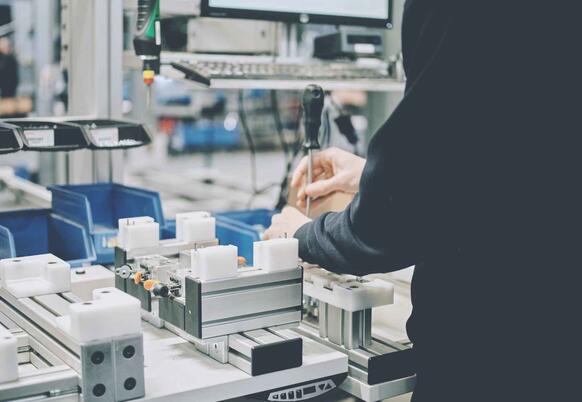
Power cable assembly: How to ensure consistent quality?
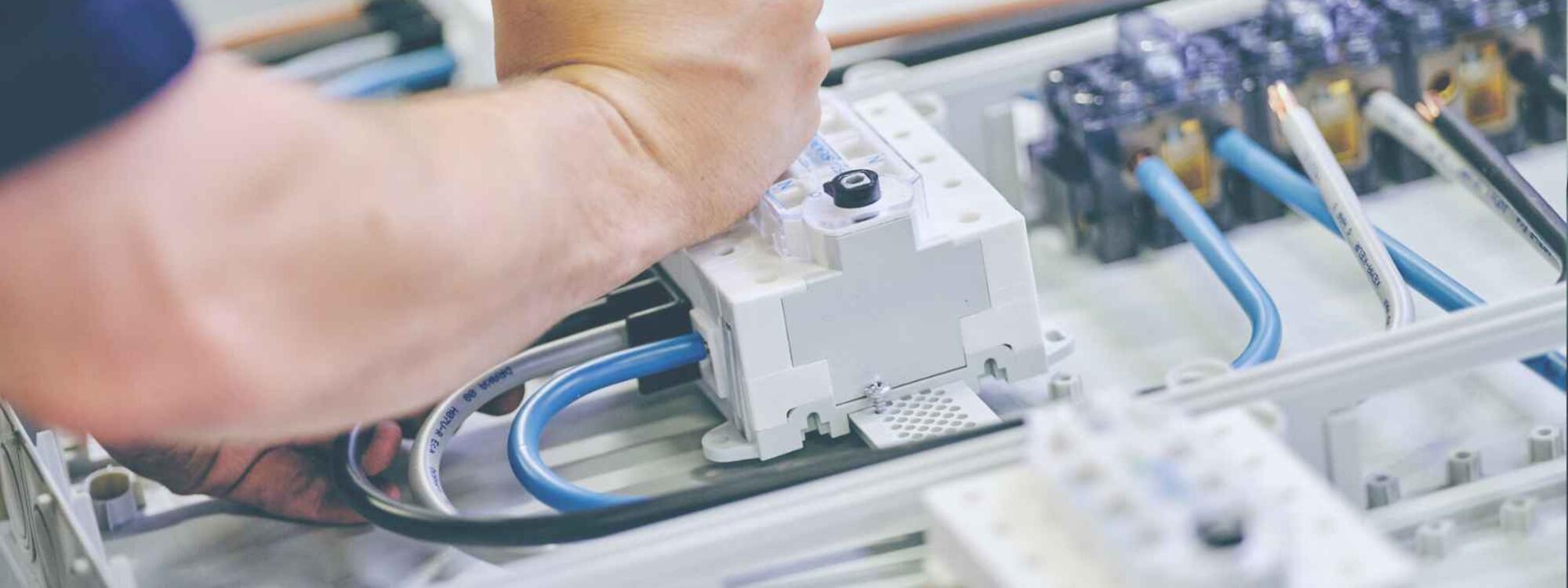
Reliability, compliance and consistency are essential in power cable assembly. Each cable must meet the customer's technical specifications and deliver the same level of quality, even in high-volume production. This requires a well-controlled production process, clear work instructions, and extensive quality controls. In this article, we outline how these principles can be applied to the series production of power cables.
What are power cables and what are they used for?
Power cables, low voltage cables or power distribution cables are electrical cables that are used to transmit electrical power. WAAK manufactures power cables for suppliers of electricity network infrastructure, like Evodis, and also supplies network operators directly, such as Fluvius. Power cables are used in applications including electricity distribution networks, service connection boxes, smart meter cabinets and electrical control panels. As these applications form part of critical infrastructure, several aspects are particularly important:
- Technical quality and reliability: cables and components must comply with all applicable technical specifications and regulations.
- Security of supply and continuity: suppliers must meet contractually agreed delivery deadlines and deliver the right quantities at the right time.
- Consistency and compliance: all products must meet the customer's requirements and maintain a consistent level of quality.
- Price: competitive pricing is important, but the factors listed above are often equally important, or even more so.
What are the key quality requirements in power cable assembly?
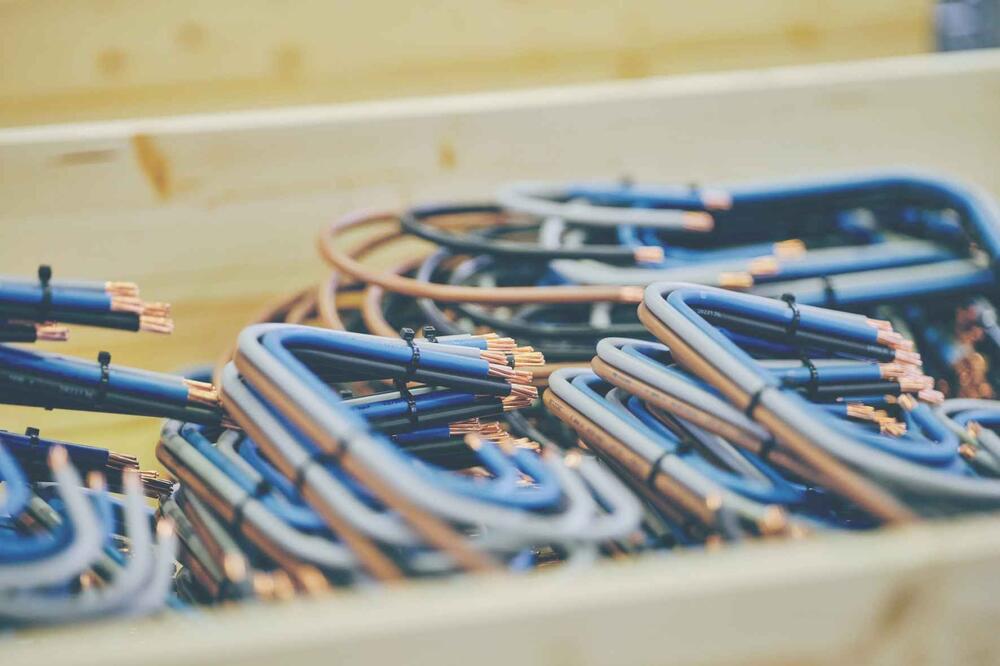
The quality of a power cable starts with correctly interpreting and applying the technical specifications. When selecting components, it is essential to follow factory standards and specified material requirements strictly. Cable processing and assembly must also be carried out according to controlled, closely monitored procedures. The following aspects require particular attention:
- Wire type: the wire must meet the technical specifications. For example, if a wire must withstand temperatures of up to 105°C, the exact specified type must be used to ensure safety.
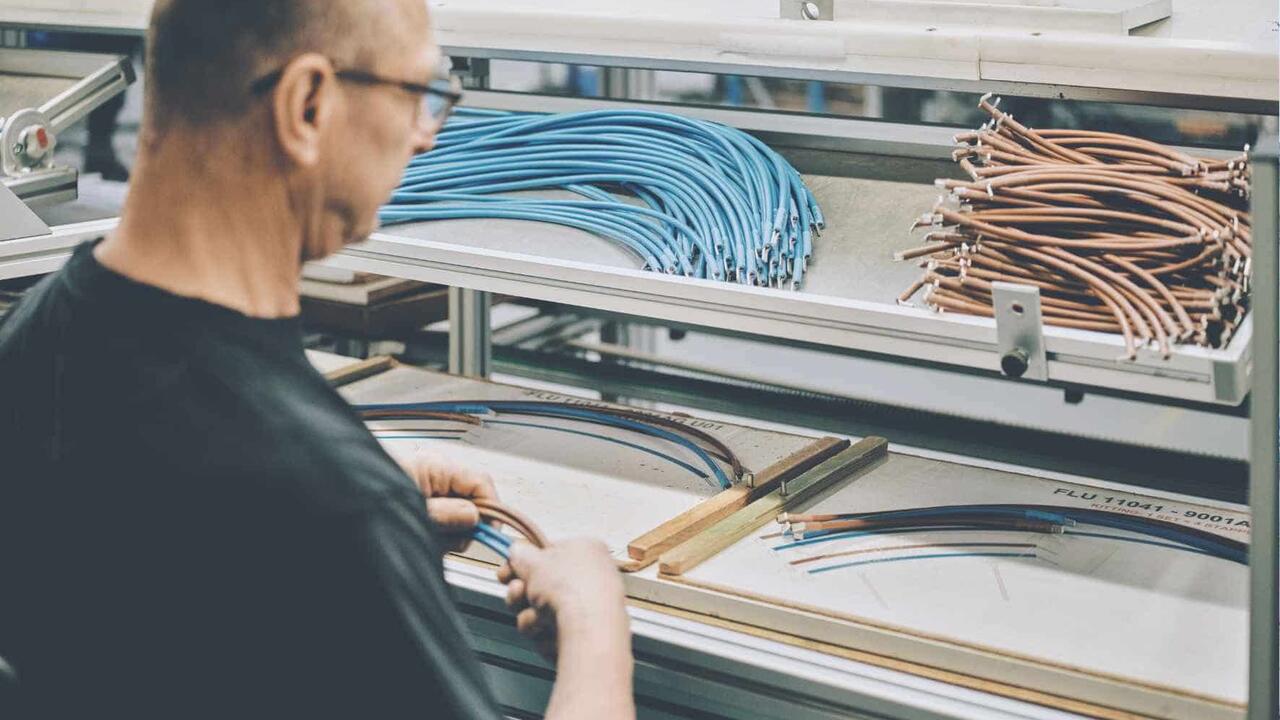
- Wire selection: the correct wire must be used for each application. WAAK Cable Assembly processes around eight different variants, as specified by the network operator. Selecting the correct type for each application is essential. This is equally important when individual wires are combined into a wire harness.
- Cutting and stripping: wires must be cut to the correct length and stripped accurately.
- Insulation: the correct type of insulation must be applied at precisely the specified location.
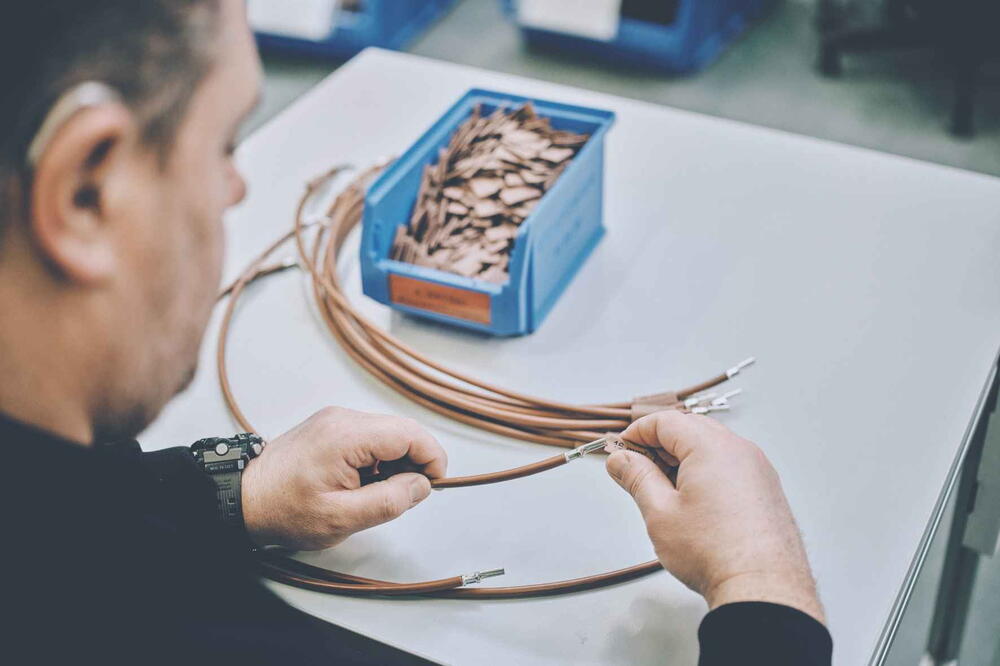
- Contacts: contacts must have the correct pin length, be bent into the correct shape and be crimped properly. The mechanical reliability of every crimped contact is verified through a pull test.
- Connections: connections must be made correctly. This is particularly important for gas-tight connections.
- Marking: the product number must be printed correctly to ensure traceability.
- Labelling: the correct labels and identification markings must be applied. This ensures that each cable can be identified and its intended application verified.
- Packaging: cables must be packaged correctly in accordance with the customer's specifications.
Are you looking for a partner to assemble your power cables? Talk to us!
When power cables are incorporated into electromechanical assemblies, such as smart meter cabinets, meter banks or electrical control panels, additional factors must be considered. These include selecting the correct cable lugs, connectors, screw tightening torques and wire-end ferrules. Other considerations include thermal loading, vibration protection, bend radius and cable routing.
Quality control in power cable assembly
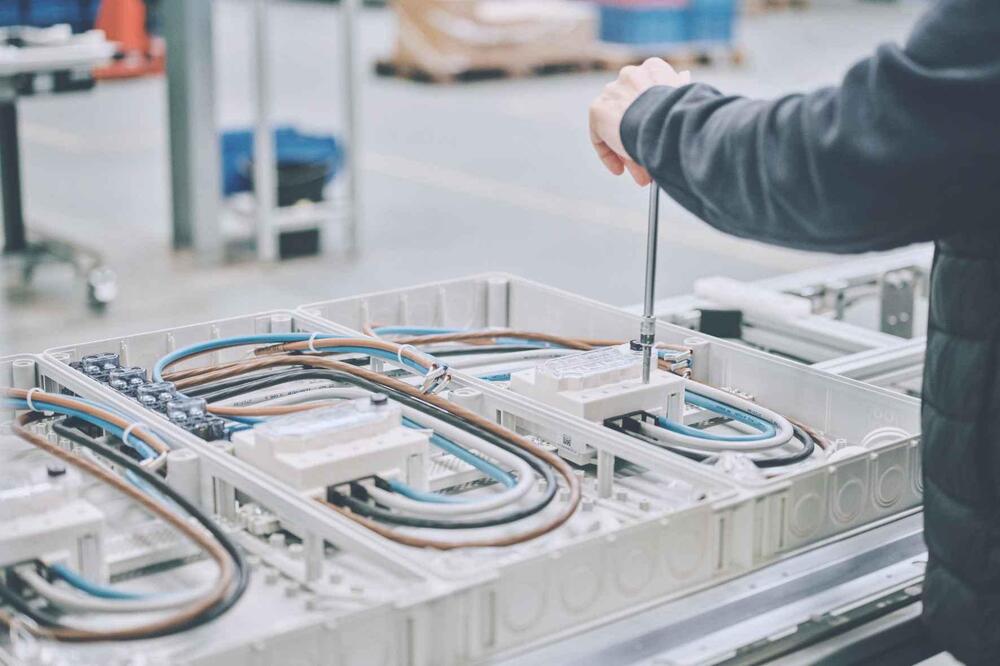
The factors outlined above determine the quality of a power cable. Although complying with these requirements may seem straightforward, disciplined execution is also essential in series production. Every power cable produced must meet the same quality standards and comply exactly with the specifications.
This requires a process-driven approach. When hundreds or thousands of cables are produced every day, there must be no room for interpretation or variation in how the work is carried out. For example, electrical cables and gas pipes are often located close to one another. Network operators must therefore be able to rely on a cable being fully gas-tight wherever this is required by the specifications.
At WAAK, every power cable undergoes thorough automated and visual quality inspections after assembly. These include crimp testing, pull tests, and continuity and insulation resistance tests on the connections. This allows us to verify that every cable meets the customer's technical specifications and will perform reliably in service.
When cables are incorporated into products such as smart meters, additional checks are required. All connections are inspected and tightened according to a checklist. At the end of the assembly process, the cabinets are also re-inspected at the most critical points using a dedicated checklist.
Standardising the power cable assembly process
Quality inspections are essential, but achieving consistent quality also requires the production process itself to be controlled and managed effectively.
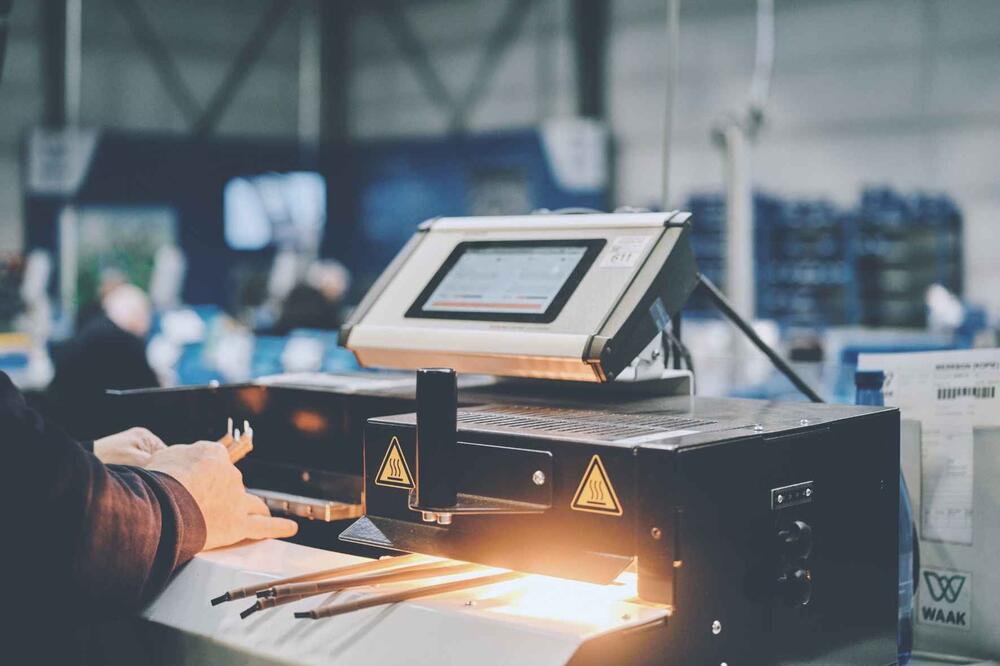
At WAAK, technical specifications are translated into unambiguous and clear work instructions, defined processes, and standardised working methods. Critical parameters are monitored throughout production using established checks and checklists, allowing deviations to be identified as early as possible.
Automated and digital tools can help ensure that assembly operations are performed consistently and reproducibly, product information is processed correctly, and deviations are detected.
Scaling up power cable production
This standardised approach to process management and quality control not only ensures consistent quality; it also enables production capacity to be scaled up quickly when market demand requires it.
Suppliers to network operators are bound by contractual commitments and are expected to meet these requirements. It is therefore important for suppliers to work with partners who can scale up production just as quickly.
At WAAK Cable Assembly, our standardised processes enable us to respond to changing market demand. They provide the foundation for efficient series production and ensure that we can deliver power cables with the required quality, in the right quantities and at the right time.

We have all the expertise you need to help you!
Kristof Hots
Sales & Marketing Director
M: kristof.hots@waak.be
T: +32 56 36 34 34