Local production as a response to rising fuel and energy prices

Today, we are witnessing a strong and sustained increase in energy prices. The main cause lies in the current unstable geopolitical context, with tensions and conflicts having a significant global impact. This uncertainty translates directly into energy markets. The consequences are clear: higher gas and fuel prices that are inevitably passed on in the cost of finished products. The impact is felt across virtually every sector. As a result, companies are becoming increasingly critical about where and how they produce. One trend is becoming more pronounced: local production is once again gaining importance.
Rising transport costs put pressure on the globalised economy
In our globalised economy, transport has long been relatively cheap and efficient. Distance had only a limited impact and was usually considered a secondary factor. However, this reality is now under pressure. The combination of geopolitical instability and rising fuel costs is making transport significantly more expensive and less predictable.
Supply chain optimisation: Why logistical efficiency is now a top priority
The European Union is already pointing to the need for energy savings and more efficient use of raw materials, comparable to the measures taken in the 1970s to address the energy crisis. Companies are taking these warning signals seriously and are reassessing their supply chains, increasingly focusing on proximity and exploring whether production can be organised locally.
Why high transport costs favour local production of transport-inefficient bulky goods
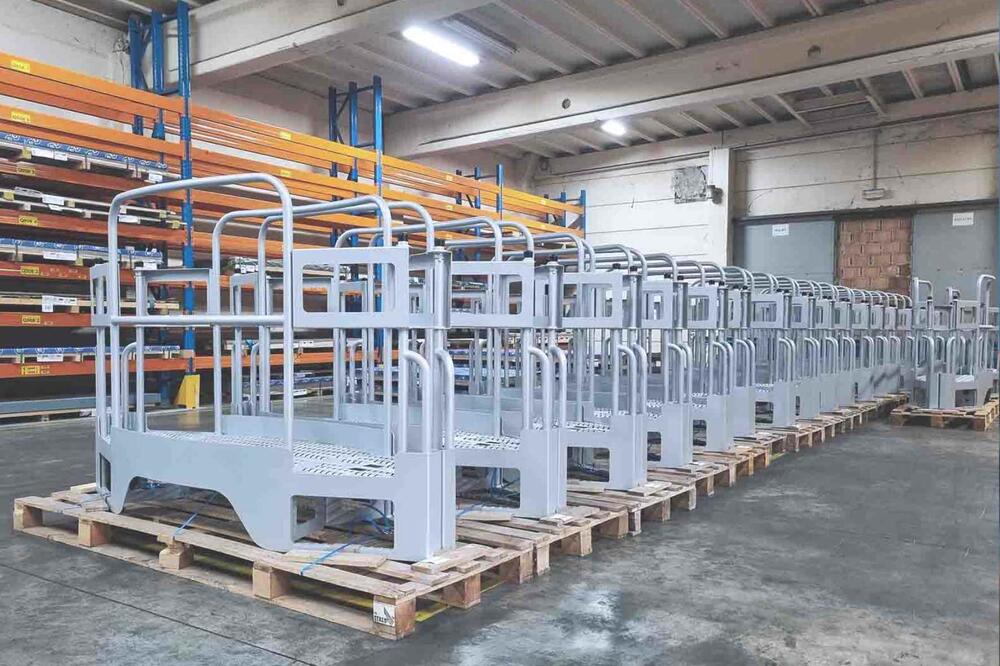
This is particularly relevant for bulky and transport-inefficient goods. For such products, transport weighs heavily both in terms of cost and logistical complexity. Shipping “air” in containers or trucks makes the supply chain inefficient and unnecessarily expensive.
Typical examples include frames and chassis for cars and trucks, railings and balustrades, EV charging stations, furniture such as cabinets, machine housings, and various technical assemblies. Such products take up significant volume, meaning that transport costs per unit increase substantially when they must be shipped over long distances.
Rising transport costs reduce low-wage countries’ cost advantage
With regard to the high fuel prices, distances to low-wage countries such as Poland, the Czech Republic, the Baltic states, Portugal, or Hungary become significantly more expensive. As a result, the cost advantage of lower wages is largely—and in some cases entirely—offset by transport expenses.
Reshoring or offshoring? Discover the pros and cons!
Local production as a strategic economic decision for companies
In such cases, it is therefore far more logical, from an economic perspective, to opt for production closer to the end market. This does not mean that this applies to every product, but it does indicate that in certain cases it provides a strategic advantage. The choice of local production should therefore not be an automatic reflex, but the result of a well-considered strategic assessment.

Shorter supply chains improve flexibility and reliability in production
In addition to cost control, local production also offers advantages in terms of flexibility and reliability. Shorter supply chains increase delivery predictability and reduce the risk of disruptions. This contributes to more stable product availability and better control over planning and quality.

WAAK as local production partner: Multiple combinable industrial services under one roof
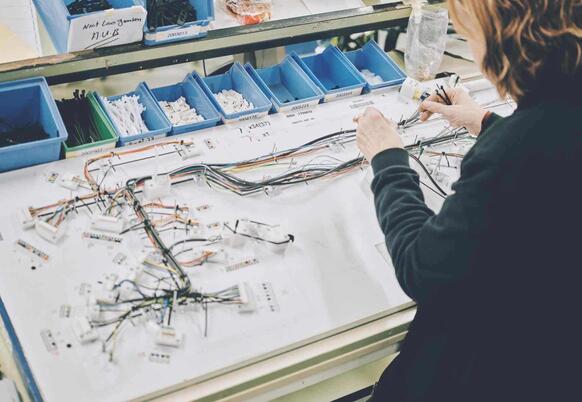
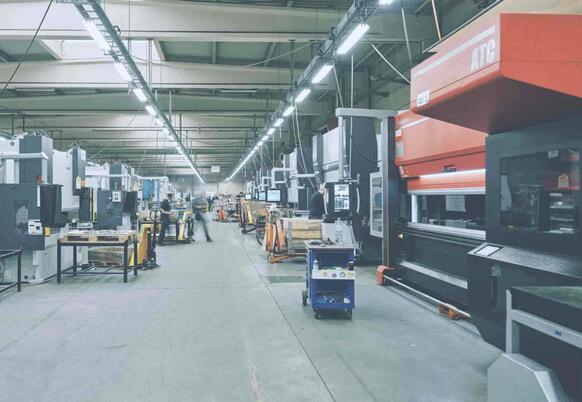
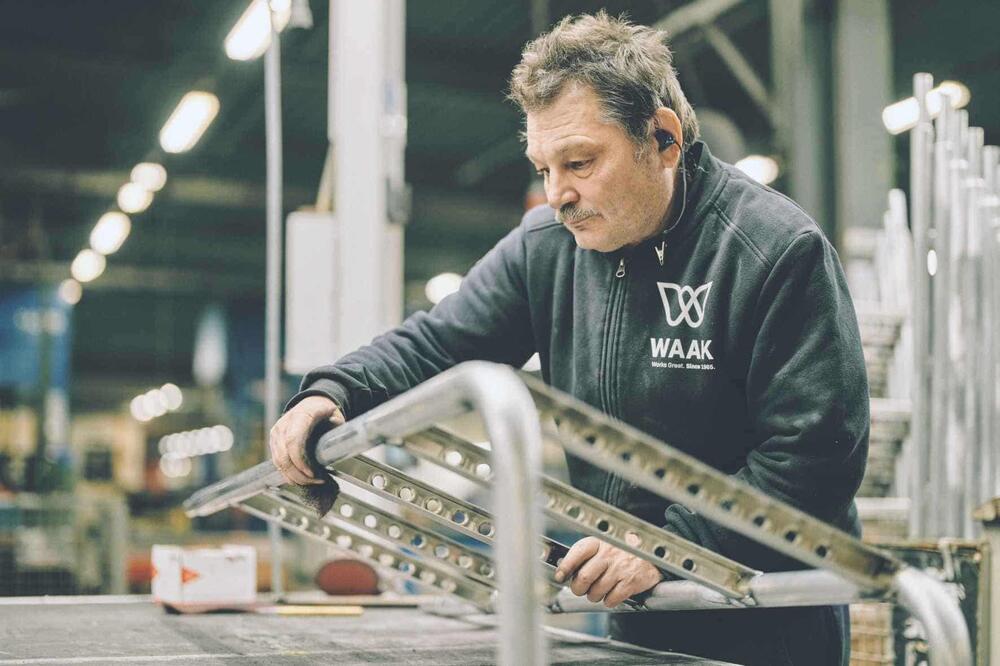
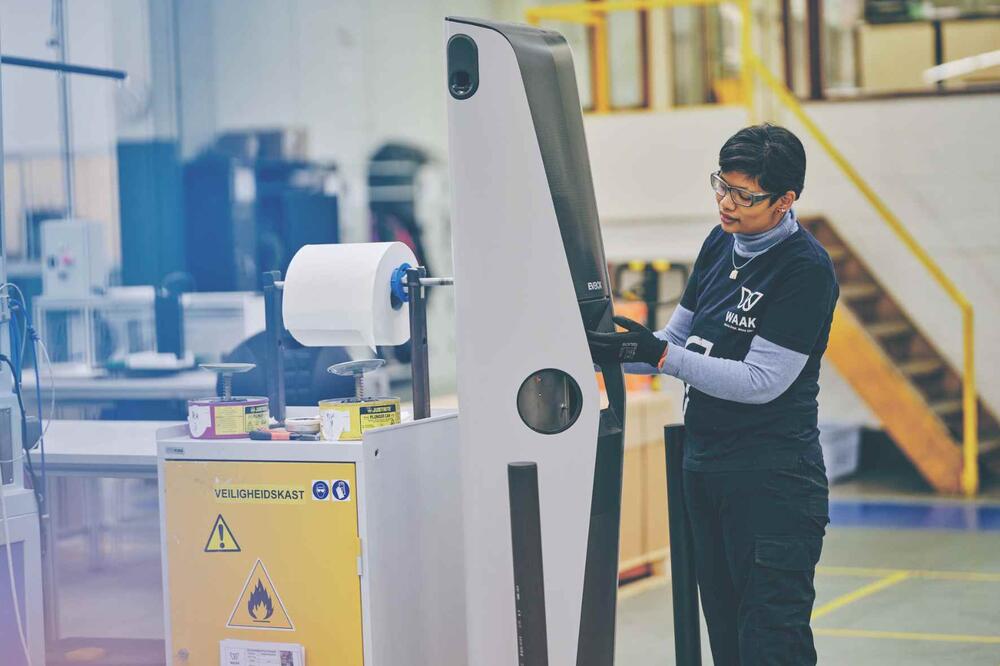
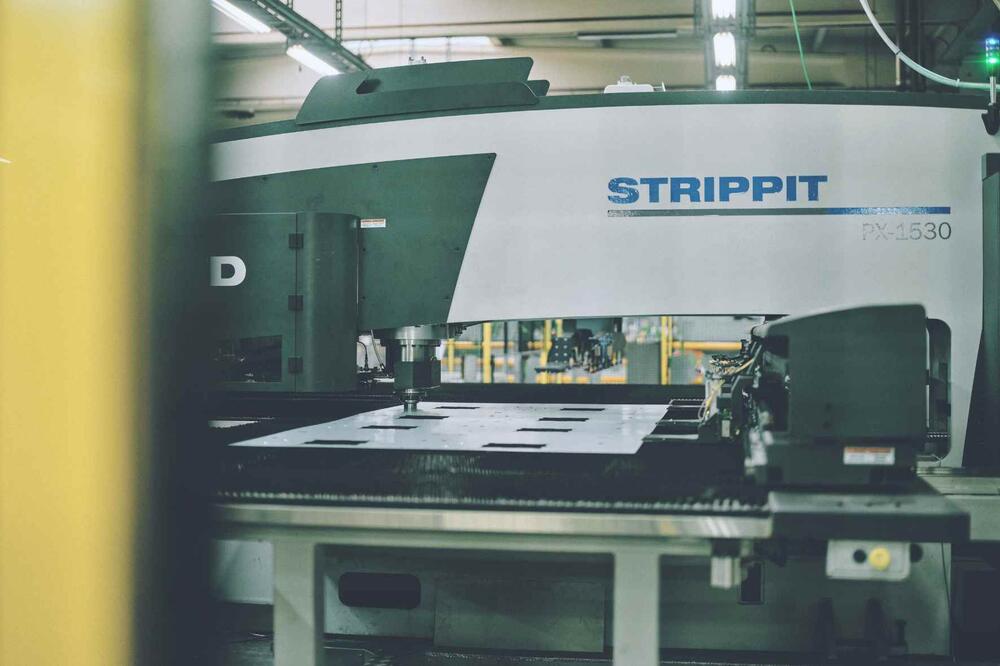
Being a social enterprise, WAAK positions itself as an ideal partner for companies focusing on local production. With expertise in metalworking and assembly, cable assembly, packaging work, and plastic assembly, WAAK offers a total solution for a wide range of production needs. What distinguishes WAAK in the market is that these competencies are housed under one roof and can be easily combined depending on the end product.
Examples such as Smappee, JACOPS, STAS, Belintra/ScanModul and Stelrad Radiator Group make effective use of this. The integrated approach ensures efficiency, fewer links in the supply chain, and better control over quality and planning. The impact of transport costs is significantly reduced, as the entire production process is handled by a single partner located in close proximity.
How local production strengthens supply chain resilience and stability
Against the backdrop of rising energy prices and increasing complexity in international chains, local production is not a temporary trend but a sustainable strategic choice. Companies that choose a strong local partner today are building an economically resilient and robust supply chain. With its broad expertise, focus on quality, and strong local embeddedness, WAAK is ideally positioned to take on this role.

Tell me more about your project, I'd love to help you out!
Kristof Hots
Sales & Marketing Director
M: kristof.hots@waak.be
T: +32 56 36 34 34